As autumn arrives in Costa Mesa, many pet owners breathe a sigh of relief, thinking the worst of flea season is behind them. However, the truth is that fall’s mild temperatures can keep fleas active well into November and beyond. At Newport Mesa Animal Hospital, located at 1542 Newport Blvd., Costa Mesa, CA 92627, our veterinary team understands how persistent these pesky parasites can be in Southern California’s climate. In this blog, we’ll explain why year-round flea prevention is essential for your dog or cat, how to recognize the signs of a flea problem, and the best ways to keep your pets comfortable and healthy as the seasons change. You’ll also discover practical prevention strategies, learn when to seek professional help, and find resources to support your pet’s health all year long.
Recognizing Flea Problems in Your Dog or Cat
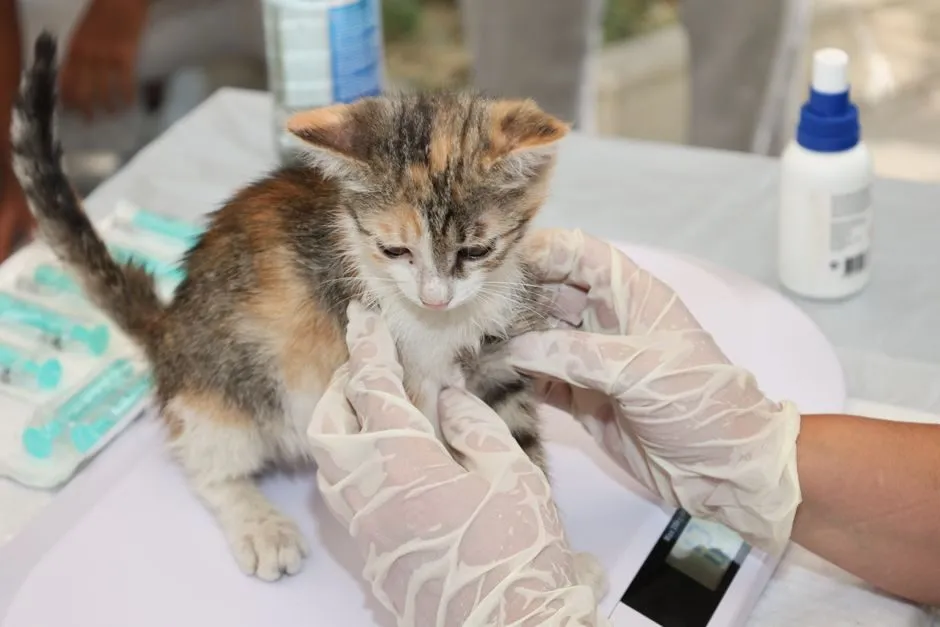
Many pet owners assume that if they don’t see fleas, there isn’t a problem. Unfortunately, fleas are experts at hiding, especially in thick fur or cozy bedding. Early signs of a flea infestation can be subtle, so it’s important to watch your pet for changes in behavior and comfort. Key symptoms include frequent scratching, biting, or licking at the skin, as well as restlessness or difficulty settling down. Some dogs and cats may develop red, irritated skin, particularly around the base of the tail, belly, or inner thighs. Other signs are tiny black specks—commonly called flea dirt—on your pet’s skin or bedding, which is actually flea waste. In severe cases, you might notice hair loss, scabs, or even signs of anemia like pale gums and lethargy, especially in kittens and puppies.
If you’re ever unsure whether your pet’s discomfort is due to fleas or another health issue, our pet health checker can help you evaluate symptoms before scheduling an appointment. Early recognition leads to quicker relief and better long-term outcomes for your pet.
Why Fleas Thrive in Costa Mesa’s Fall Weather
You may wonder why fleas remain a threat during the fall, especially when cooler weather sets in elsewhere. In Orange County, the average autumn temperatures typically stay between 60 and 75 degrees, providing a perfect environment for fleas to thrive. Fleas prefer warm, humid conditions, and our local climate rarely gets cold enough to interrupt their life cycle. As a result, fleas can continue to breed in your yard, on neighborhood walks, and even in your home well after summer ends.
Another reason for persistent flea activity is the increased time pets spend indoors as the days get shorter. When dogs and cats share beds, couches, and rugs with their families, fleas have more opportunities to hide and multiply in carpets or upholstery. Even if your pet rarely ventures outside, fleas can hitch a ride indoors on shoes or clothing, making indoor-only pets vulnerable as well.
Professional Flea Treatment and What to Expect
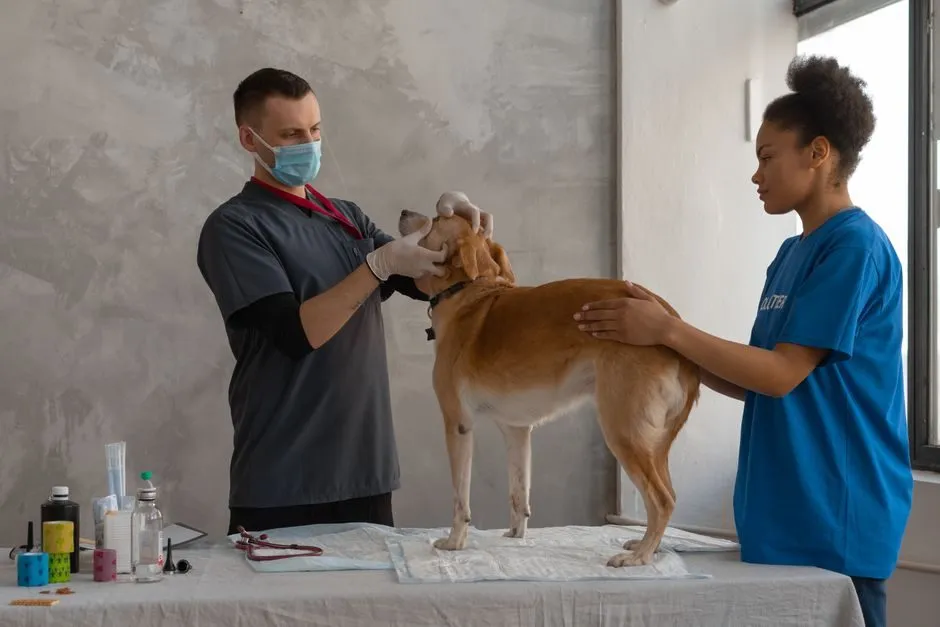
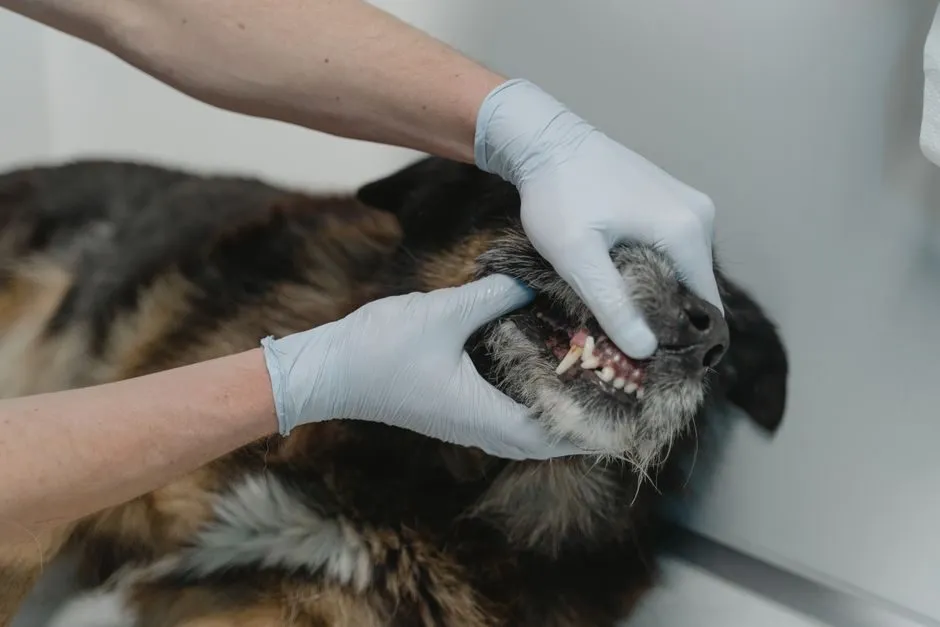
If your pet is suffering from a flea infestation, professional veterinary care is the safest and most effective way to eliminate the problem. Our veterinarians at Newport Mesa Animal Hospital will begin with a thorough physical examination to assess your pet’s condition and look for evidence of fleas or related skin issues. We may recommend diagnostic tests if your dog or cat is experiencing secondary problems, such as skin infections or flea allergy dermatitis.
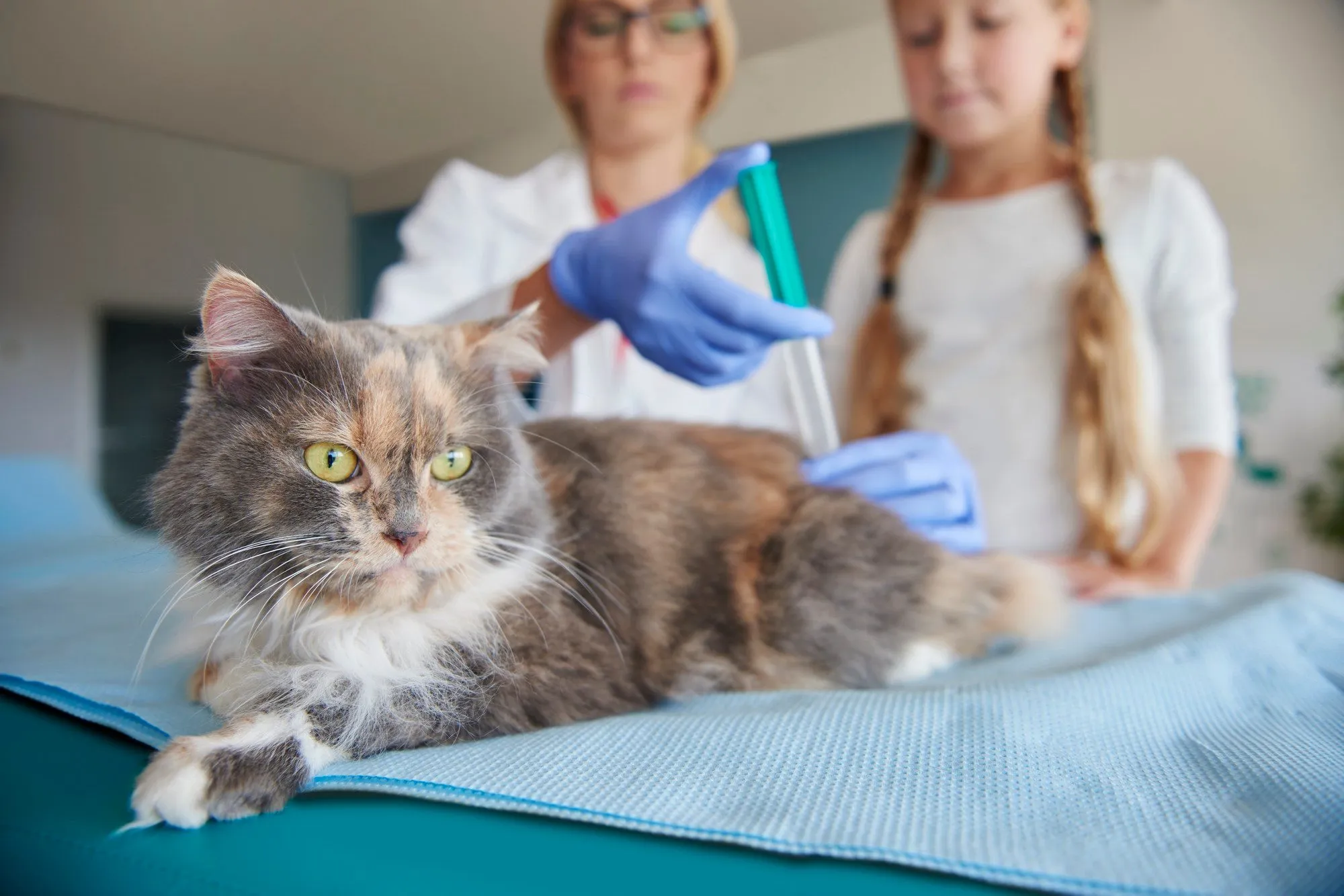
Treatment approaches involve prescription flea control products that are tailored to your pet’s age, species, weight, and health status. These may include topical treatments, oral medications, or special collars that provide long-lasting protection. In some cases, additional medications are needed to relieve itching or treat infections caused by excessive scratching. We’ll also discuss environmental control measures, such as treating your home and yard to break the flea life cycle and prevent re-infestation.
If you’re interested in learning more about what happens during a comprehensive preventive physical examination, our veterinary team is happy to answer questions and guide you through every step of the process.
At-Home Flea Prevention Strategies for Fall
While professional care is crucial for active infestations, prevention is the best defense against fleas year-round. Steps for at-home prevention include maintaining your pet on a veterinarian-recommended flea preventive every month, even during cooler months. Products designed for both dogs and cats are available, but it’s vital to use only those specifically labeled for your pet’s species and weight to avoid adverse reactions.
Regularly washing your pet’s bedding, vacuuming carpets and upholstery, and cleaning floors can help reduce flea eggs and larvae in the home. Don’t forget to empty the vacuum bag or canister promptly, as fleas can continue developing inside. For households with multiple pets, all animals should be treated at the same time to prevent fleas from moving between hosts. Additionally, keeping your yard tidy—removing leaf litter, mowing grass, and minimizing shaded areas—can help limit outdoor flea populations.
If you have questions about which flea prevention products are best suited for your pet’s needs, your veterinarian can recommend options tailored to your household and lifestyle.
When to Contact Your Veterinarian About Fleas
Fleas are more than just a nuisance; they can cause serious health problems for both pets and people. If your dog or cat is experiencing persistent itching, visible skin irritation, hair loss, or any sign of illness such as lethargy or pale gums, it’s time to schedule an appointment with your veterinarian. Prompt action is especially important for young, elderly, or immune-compromised pets that may be more susceptible to complications from flea bites.
You should also contact our team if you notice fleas despite regular preventive treatments, as this may indicate resistance or an underlying health issue. Our veterinarians can assess your prevention plan and recommend advanced solutions if needed. For additional information on identifying health concerns, browse our pet health articles and educational resources or use the pet health checker for guidance on when to seek care.
Supporting Your Pet’s Health Year-Round
At Newport Mesa Animal Hospital, we believe that proactive care and education empower pet owners to make the best decisions for their dogs and cats. Our veterinary team encourages year-round flea prevention as part of a comprehensive wellness program, including regular checkups, vaccinations, and parasite screenings. By staying vigilant in the fall and beyond, you protect your pet’s comfort and health while preventing household infestations.
If you’re searching for a reliable “vet near me” to help with flea prevention or any aspect of your pet’s health, our team is ready to provide guidance and support. To schedule an appointment or learn more about our services, call (949) 642-1100 or visit our convenient location at 1542 Newport Blvd., Costa Mesa, CA 92627. Our veterinarians are committed to serving families in Costa Mesa and surrounding communities with the highest standard of care. Don’t let fleas disrupt your pet’s fall—let Newport Mesa Animal Hospital help you keep your pet healthy, happy, and protected all year long.